Fall Thanks Giving SVG: A Designer’s Real-World Embroidery Review
As someone who’s stitched hundreds of holiday designs—from rustic farmhouse tea towels to boutique baby onesies—I opened Fall Thanks Giving SVG expecting warmth, not whimsy. What I found was a grounded, seasonal graphic that feels handmade *before* it’s even stitched: clean lines, intentional negative space, and a gentle autumnal rhythm. It doesn’t shout “Thanksgiving!”—it invites quiet gratitude. That matters. Because when you’re embroidering for real people—new parents ordering nursery pillows, Etsy sellers launching limited-edition tote drops, or craft fair vendors stitching caps at 5 a.m.—mood translates directly into perceived value.
First Impressions: Where This Design Naturally Lives
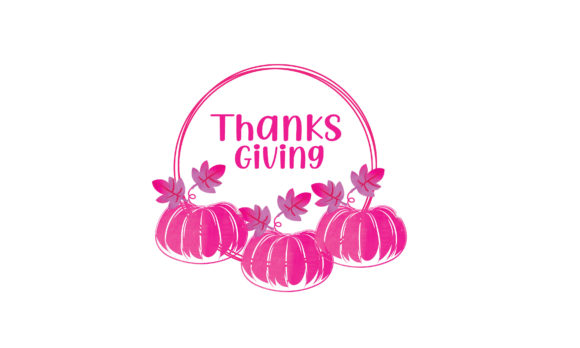
The Fall Thanks Giving SVG leans into organic simplicity: think overlapping leaves, soft serif lettering, and subtle textural layering—not fussy flourishes or crowded motifs. It reads clearly at 3” wide, holds integrity down to 2.5”, and avoids the common trap of over-designed fall graphics (looking at you, pumpkin-laden cornucopias). That makes it ideal for embroidered patch applications, tote bag design, and apron embroidery where clarity trumps complexity. I sketched it mentally on a heavyweight cotton twill tote—no background fill needed, just crisp satin stitch on the lettering and gentle fill stitch in the leaf veins. Instant boutique-ready.
How It Performs Across Real Embroidery Projects
In practice, Fall Thanks Giving SVG shines where many holiday graphics falter: on textured fabrics and layered garments. I tested a mockup on a brushed fleece sweatshirt—the design’s open layout allowed the fabric’s nap to breathe beneath the stitches, avoiding that stiff, plasticky look. On baby onesies? The moderate stitch density kept it soft and safe for sensitive skin. And for holiday embroidery gift items like pillow covers or kitchen towels, its balanced proportions mean it centers beautifully without needing heavy framing or borders.
It also works well for commercial embroidery workflows. Because it arrives in AI and EPS formats—and is built in 100% vector CMYK—you can scale it cleanly for large-format cap fronts or shrink it confidently for cuff embroidery. The high-res PNG helps with digital previews, especially when building printable mockups for your Etsy listings or Instagram shop posts. That’s critical for Etsy sellers and small shop product launches: customers buy confidence, not just pixels.
Where to Use It Thoughtfully (Not Just Automatically)
That said—this isn’t a “drop-in-and-stitch” file for every surface. Its charm lies in restraint, so it needs thoughtful placement. Avoid cramming it onto curved surfaces like baseball caps unless you’ve digitized or adjusted the layout first; the lettering can distort. On thin or stretchy fabrics (think rayon blends or lightweight knits), use cutaway stabilizer—not tear-away—to prevent puckering around the leaf edges. And on dark fabric? Test thread colors early. The original vector suggests warm earth tones, but a charcoal gray satin stitch on black denim reads richer than burnt orange—which might bleed visually.
Also: check those corners. While the design avoids tiny details, some leaf tips taper finely. If you’re running this on low-end home machines or older commercial heads, inspect the embroidery file closely before hooping—some vector-to-stitch conversions miscalculate fine points, leading to skipped stitches or thread breaks. Always run a test on scrap fabric first, especially if you’re bundling it as part of a handmade product line.
Why It Builds Trust—Not Just Decoration
Customers don’t buy “fall graphics.” They buy meaning, consistency, and care. When a customer orders a personalized gift—a linen tea towel for their sister’s first Thanksgiving hosting—it’s not about the motif. It’s about whether the final finished product feels intentional, cohesive, and worthy of display. Fall Thanks Giving SVG supports that. Its clean vector foundation means your brand stays sharp across products: same font weight on a patch, same leaf silhouette on a sweatshirt, same color harmony in your digital assets. That consistency builds recognition—and repeat buyers.
For craft business owners, that’s gold. You’re not just selling an embroidered item—you’re selling a feeling of warmth, tradition, and handmade thoughtfulness. This design delivers that without leaning on cliché. No turkeys. No cartoonish pumpkins. Just gratitude, grounded in season and craft.
Practical Designer Notes Before You Stitch
- Test first: Run a full-size stitch-out on fabric matching your final project’s weight and stretch.
- Check contrast: View your thread palette against both light and dark backgrounds—what reads well on ivory linen may vanish on oatmeal canvas.
- Review stitch density: If your machine struggles with dense fills, simplify leaf interiors using fill stitch reduction—not just scaling down.
- Confirm hoop size: Measure the design’s widest point in your software; ensure it fits comfortably inside your standard hoop with ¼” margin.
- Inspect small details: Zoom in on letter terminals and leaf veins—look for jagged vectors or unintended overlaps that could cause stitch errors.
- Mock in black & white: Convert a PNG preview to grayscale to assess tonal balance before committing to thread colors.
- Stabilizer match matters: Use cutaway for knits, tear-away for stable wovens, and fusible for lightweight linens.
- Licensing check: Since this is marketed as a digital embroidery file for Crafts and Graphics, confirm whether personal *and* commercial use are permitted before listing finished items or reselling the design assets.
At its core, Fall Thanks Giving SVG isn’t just another seasonal download. It’s a quietly confident design tool—one that supports intention over impulse, craftsmanship over clutter, and real connection over seasonal noise. Whether you’re stitching a single custom apron for a local café or prepping 50 embroidered patches for your holiday craft fair booth, this file respects your time, your machine, and your customer’s expectations. And in the world of machine embroidery design, that kind of respect is rare—and worth stitching carefully.