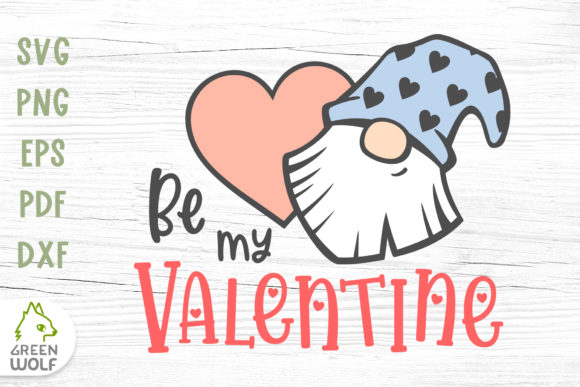
Valentine Gnome Face and Heart SVG
A Playful, Handmade-First Impression
The first thing that strikes me about Valentine Gnome Face and Heart SVG isn’t its cuteness—it’s its intentionality. As someone who’s stitched hundreds of holiday-themed machine embroidery designs for clients and my own craft business, I immediately notice how the gnome’s lopsided grin, exaggerated nose, and tilted heart sit together with relaxed confidence. It doesn’t try to be polished or ultra-refined. Instead, it leans into charm: slightly off-kilter, warm, and unmistakably handmade. That’s not accidental—it’s a deliberate design personality that translates beautifully to real-world embroidery projects like custom tote bags, baby onesies, or kitchen tea towels sold at local craft fairs.
Where This Design Truly Shines
I recently tested Valentine Gnome Face and Heart SVG on a medium-weight cotton twill tote bag—exactly the kind I sell in my Etsy shop during February. The result? Instant smile factor. Customers love it—not because it’s intricate, but because it feels personal and joyful. Its scale works well across multiple applications: as a centered chest embroidery on a unisex sweatshirt, a playful patch sewn onto a denim apron, or even scaled down (with careful adjustment) for a baby bib or pillow cover. The “Be my Valentine” quote is legible without being fussy, and the heart integrates cleanly with the gnome’s expression rather than floating awkwardly beside it.
For small shop owners and Etsy sellers, this design fits naturally into curated seasonal collections. Think: a trio of Valentine’s Day embroidery files—one whimsical (this one), one elegant (script-based), one minimalist (line art). Valentine Gnome Face and Heart SVG becomes your anchor for the “fun, friendly, and heartfelt” lane—ideal for personalized gifts, boutique merchandise, or handmade product bundles.
Real Embroidery Behavior: What You’ll Actually See on Fabric
In practice, the design holds up well on stable fabrics like cotton duck, midweight knits, and linen-blend tea towels—especially when paired with light- to medium-weight cutaway stabilizer. The face features clean outlines and generous satin-stitched areas (like the hat brim and cheeks), which stitch out smoothly on most home embroidery machines. The heart uses a balanced mix of fill and satin stitches, avoiding overly dense sections that could cause puckering on lightweight cotton.
That said, I’d recommend skipping it for ultra-fine baby jersey or highly stretchy performance knits unless you’re confident in your stabilizing technique. The gnome’s facial details—especially the eyes and mouth—are charming at 3–4 inches wide, but shrink them below 2.5 inches and the running stitch outlines start to blur. On dark fabric, contrast matters: test thread colors carefully. A soft blush pink for the cheeks and deep red for the heart pop beautifully against navy or charcoal, but pale yellow thread on cream fabric gets lost.
Use With Thought—Not Just Enthusiasm
This isn’t a “set-and-forget” file. Because it includes two layout variations for cutting, it’s clearly built with appliqué in mind—and that opens creative doors, but also requires planning. If you’re making embroidered patches, use the version optimized for layered fabric placement. If you’re stitching directly onto a garment, choose the version designed for all-in-one embroidery. Don’t assume both work identically across hoop sizes or fabric types.
Also worth noting: the quote’s lettering has gentle curves and modest kerning. It reads clearly at standard sizes, but avoid placing it on curved surfaces like caps or tapered mugs unless you’ve digitized or adjusted the text for distortion. And while the heart and gnome read well on flat, smooth surfaces, tight corners (like the seam of a pillow cover or edge of a folded towel) may clip subtle details—always preview your placement digitally before hooping.
How It Shapes Perception—Beyond the Stitch
As a designer who consults with other craft businesses, I pay close attention to how a design affects perceived value and trust. Valentine Gnome Face and Heart SVG reads as professional *and* approachable—a rare balance. It tells customers, “This was chosen with care, not grabbed from a free bundle.” That impression boosts giftability, especially for handmade products meant to feel special: a nursery wall hanging, a teacher appreciation gift, or a small-batch wedding favor.
For Etsy sellers, that authenticity translates to better conversion. Buyers scroll past generic hearts and roses—they pause for character. The gnome’s expressiveness invites connection. It also supports brand consistency: if your shop leans into cozy, rustic, or storybook aesthetics, this design reinforces that voice without needing heavy rebranding.
Practical Designer Notes Before You Stitch
- Always test first: Run Valentine Gnome Face and Heart SVG on scrap fabric matching your final project’s weight and stretch.
- Check licensing: Since it’s listed as a Graphics product in the Crafts category, confirm whether commercial use (e.g., selling finished embroidered items or digital bundles) is permitted before listing on Etsy or at craft fairs.
- Review stitch density: Look for overlapping fill areas—especially where the heart meets the gnome’s face—and adjust if needed for your fabric’s stability.
- Validate hoop compatibility: Measure the design’s widest point and compare it to your most-used hoop size. Don’t force a 5.5-inch-wide layout into a 4×4 hoop without scaling or repositioning.
- Mock it in context: Drop the design into a printable mockup of your intended product—tote bag, sweatshirt front, tea towel corner—to assess visual balance and scale before stitching.
- Stabilizer matters: Use cutaway for knits, tear-away for stable wovens, and consider topping for textured fabrics like terry cloth or fleece.
- Think beyond color: Try stitching the entire design in monochrome thread (black on white, white on black) to evaluate clarity and contrast before committing to a full palette.
At its best, Valentine Gnome Face and Heart SVG doesn’t just decorate a surface—it adds warmth, humor, and intention to handmade products. It’s the kind of embroidery file that makes customers say, “I *have* to get one for my sister,” or “This is exactly the vibe my shop needs right now.” That’s not magic. It’s thoughtful design, executed with craft-business reality in mind.